PCOS Weight Loss Diet Plan In India – What Works
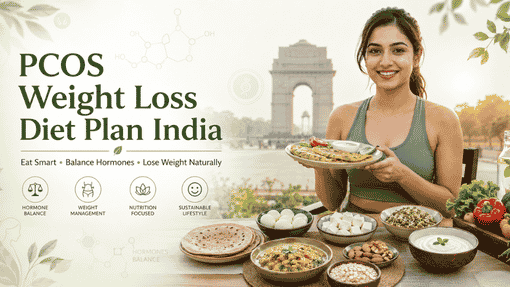
PCOS Weight Loss Diet Plan In India – Eating to Balance Hormones First
A PCOS weight loss diet plan in India works differently from a normal fat-loss diet, because the real problem usually starts with insulin resistance, not just extra calories. When you eat to improve insulin sensitivity using everyday Indian food, hormones settle and fat loss follows far more easily. This guide covers exactly how to build that plate, the foods that help, and the ones that quietly make PCOS worse.
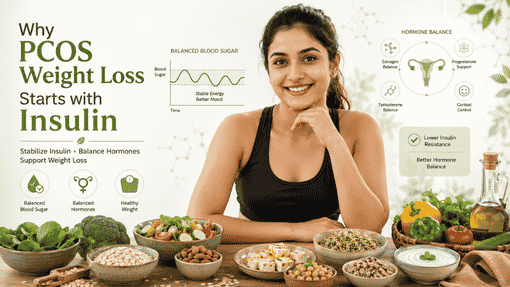
Why a PCOS Weight Loss Plan Must Target Insulin First
Most women with PCOS have some degree of insulin resistance, which means the body pumps out extra insulin to manage blood sugar. High insulin blocks fat breakdown and pushes the body to store fat, especially around the belly, which is why ordinary crash diets fail here. A PCOS weight loss diet plan fixes the root cause: it keeps blood sugar steady with low-glycaemic foods, enough protein, and fibre, so insulin drops and your body can finally release fat. Get this part right and everything else, including periods and energy, tends to improve alongside the weight.
The Best Foods for a PCOS Weight Loss Diet Plan in India
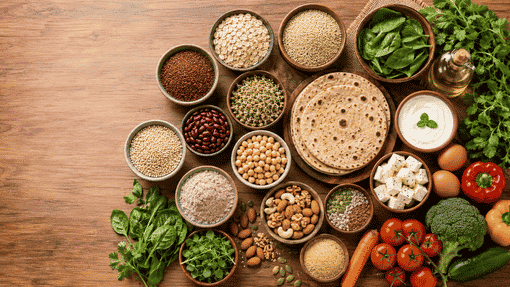
You do not need imported or fancy foods. Build your plate around low-GI Indian staples that release sugar slowly:
- Whole grains and millets: jowar, bajra, ragi, oats, and brown rice instead of refined flour
- Protein at every meal: paneer, dal, eggs, curd, soya, chicken, and fish
- High-fibre vegetables and legumes: rajma, chana, methi, palak, and sprouts
- Healthy fats in small amounts: nuts, seeds, and a little ghee or olive oil
A Simple PCOS-Friendly Day of Eating
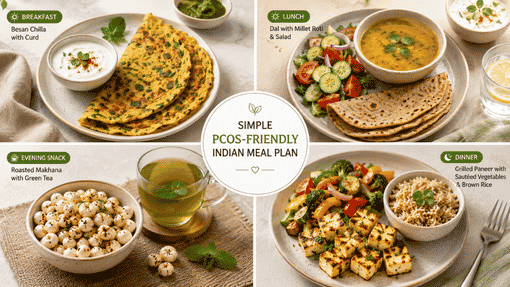
Keep it familiar and balanced. Breakfast: vegetable besan chilla with curd, or moong dal cheela and two eggs, paired with protein to blunt the morning sugar spike. Lunch: a bowl of dal or rajma, one sabzi, a millet roti, and salad. Evening: roasted chana, makhana, or a handful of nuts with green tea. Dinner: paneer or grilled chicken with sauteed vegetables and a small portion of brown rice. This style keeps you full, steadies insulin, and still feels like normal Indian home food, which is exactly why it lasts.
What to Limit and How Fast to Expect Results
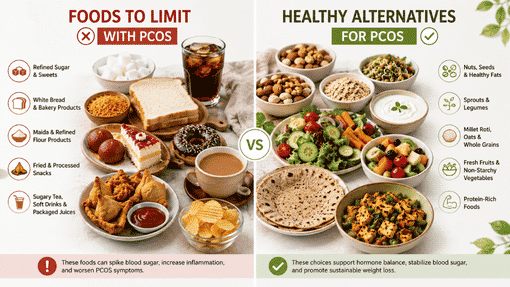
Cut back on the things that spike insulin hardest: sugar, sweets, maida, white bread, deep-fried snacks, and sugary chai or soft drinks. You do not have to be perfect, but these should become occasional, not daily. With a consistent PCOS weight loss approach, a realistic pace is around 0.5 kilogram a week, and many women notice steadier energy and more regular cycles within a couple of months. PCOS varies from person to person, so pair this plan with your doctor’s guidance, especially if you are on medication or trying to conceive.
Make the Plan Yours With a Coach
A generic chart can only take you so far, because PCOS responds differently for every woman. If you want a PCOS weight loss diet plan built around your reports, your food preferences, and your routine, with weekly adjustments as your body changes, a coach can map it for you. Book a free strategy call using the contact options below and turn this framework into a plan made for your hormones, not someone else’s.
FAQs
Q1. Can you lose weight with PCOS?
Yes. By eating to improve insulin sensitivity with low-GI Indian food and enough protein, most women with PCOS can lose fat steadily, usually around 0.5 kg per week.
Q2. Which foods should be avoided in a PCOS weight loss diet plan?
Limit sugar, sweets, maida, white bread, fried snacks, and sugary drinks, as these spike insulin the most and make fat loss harder.
Q3. Is rice allowed in a PCOS diet?
Yes, in measured portions, ideally brown rice or paired with protein and vegetables to slow the blood sugar rise.
Q4. How long does it take to lose weight with PCOS?
With consistency, visible change often appears in two to three months, alongside steadier energy and more regular cycles for many women.
Q5. Do I need medication along with the diet?
That depends on your case and should be decided with your doctor. Diet and lifestyle are powerful, but they work best alongside proper medical care.
Ready to Start? Let’s Talk
- 📞 Call: +91-8544890999
- 💬 Instagram: https://www.instagram.com/trainedbyyvs/?hl=en
- 🌐 Website / Contact Form: TrainedByYVS.com