PCOD Diet Chart for Weight Loss (Indian Foods)

PCOD Diet Chart for Weight Loss – A Simple Indian Plan
A PCOD diet chart for weight loss works best when it targets the real cause behind the weight: insulin resistance. By choosing low-glycaemic Indian foods, enough protein, and plenty of fibre, this PCOD diet chart helps steady your blood sugar so fat loss becomes possible and symptoms ease. Here is a full-day plan, the foods to favour, and the ones to limit.
What Makes a Good PCOD Diet Chart Work
PCOD and PCOS are largely driven by insulin resistance, where high insulin blocks fat burning and encourages storage. A smart PCOD diet chart keeps insulin low by swapping refined carbs for slow-releasing whole grains, adding protein to every meal, and loading up on fibre. This steadies blood sugar, reduces cravings, and lets your body finally release fat. The aim is balance and consistency, not starvation, because crash dieting tends to worsen hormonal imbalance rather than help it.
A Full-Day PCOD Diet Chart
Here is a simple, balanced day built on Indian food:
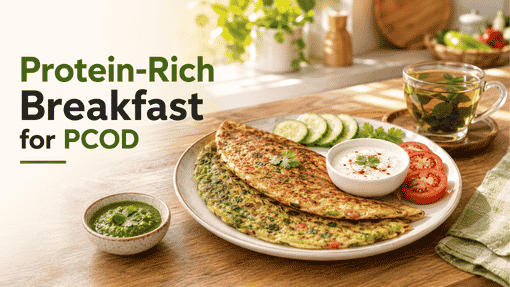
- Breakfast: vegetable besan chilla or moong dal cheela with curd
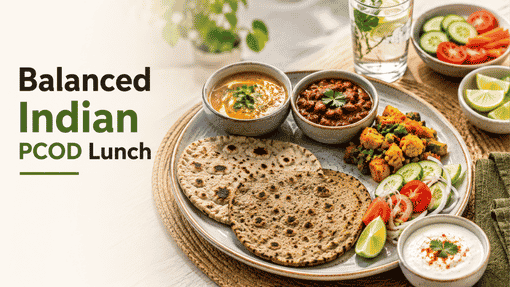
- Lunch: jowar or bajra roti, dal or rajma, one sabzi, and salad
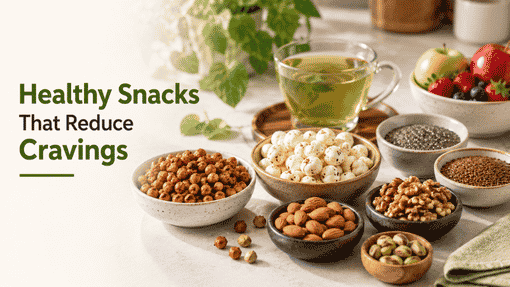
- Snack: roasted chana, makhana, or a handful of nuts with green tea
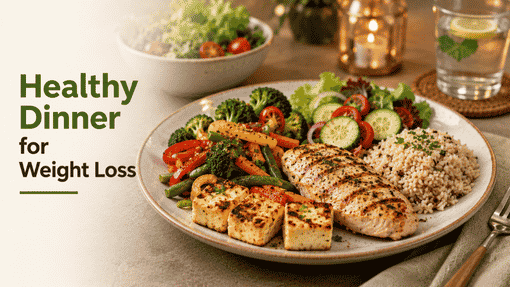
- Dinner: grilled paneer, chicken, or fish with sauteed vegetables and a little brown rice
Foods to Favour and Foods to Limit
Favour low-GI whole grains like jowar, bajra, ragi, oats, and brown rice, protein from paneer, dal, eggs, curd, and soya, and high-fibre vegetables and legumes. Limit the foods that spike insulin hardest: sugar, sweets, maida, white bread, deep-fried snacks, and sugary chai or soft drinks. You do not need perfection, just consistency, so make the helpful foods your daily default and treat the rest as occasional. This single shift does most of the heavy lifting in any PCOD diet chart.
How Fast to Expect Results
With a consistent PCOD diet chart and some daily movement, a realistic pace is around half a kilogram of fat loss per week. Many women also notice steadier energy, fewer cravings, and more regular cycles within a couple of months. Because PCOD affects everyone differently and may involve medication, always follow this alongside your doctor’s guidance, especially if you have thyroid issues or are planning a pregnancy. Diet and lifestyle are powerful, but they work best with proper medical care.

Get a PCOD Plan Built for You
A general chart is a great start, but PCOD responds differently for every woman, so a plan built around your reports, food preferences, and routine works far better. A coach can personalise your PCOD diet chart and adjust it weekly as your body and symptoms respond. Book a free strategy call using the contact options below and turn this chart into a plan made for your hormones, alongside your doctor’s care.
Above all, treat this as a flexible framework rather than a rigid rulebook. PCOD improves most when the changes are ones you can keep for life, not a strict plan you abandon in a month. Small, consistent swaps, more protein, slower carbs, and daily movement compound over time into real weight loss, steadier energy, and better cycles, which is exactly what sustainable management looks like.
FAQs
Q1. Which diet is best for PCOD weight loss?
A low-glycaemic, protein-rich Indian diet that steadies insulin, using whole grains, dal, paneer, eggs, and plenty of vegetables, works best for most women.
Q2. What should I avoid in a PCOD diet chart?
Limit sugar, sweets, maida, white bread, fried snacks, and sugary drinks, as these spike insulin and make weight loss harder.
Q3. Can I eat rice with PCOD?
Yes, in measured portions, ideally brown rice or paired with protein and vegetables to slow the blood sugar rise.
Q4. How much weight can I lose with a PCOD diet?
A sustainable pace is around half a kilogram per week, with many women also seeing steadier energy and more regular cycles.
Q5. Is a PCOD diet enough, or do I need medicine?
That depends on your case and should be decided with your doctor. Diet and lifestyle help a lot, but work best alongside medical care.
Ready to Start? Let’s Talk
- 📞 Call: +91-8544890999
- 💬 Instagram: https://www.instagram.com/trainedbyyvs/?hl=en
- 🌐 Website / Contact Form: TrainedByYVS.com