Intermittent Fasting for Weight Loss In India – Guide
Intermittent Fasting for Weight Loss in India – A Practical Guide
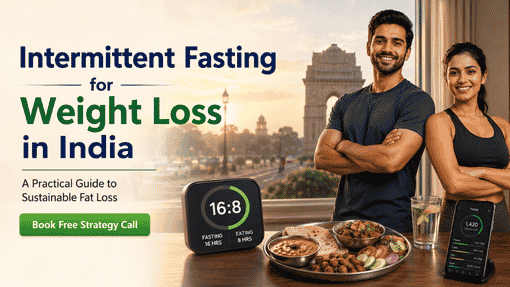
Intermittent fasting for weight loss in India is now very popular. There is a good reason for that. It is a simple way for people to eat fewer calories without tracking every bite and it is not a magic diet. It is a way to plan eating times. This helps many people lose fat without much trouble. This guide tells you how it works. You will learn how you can use it with Indian meals. This also shows who should be careful with this plan.
How Intermittent Fasting Helps Weight Loss
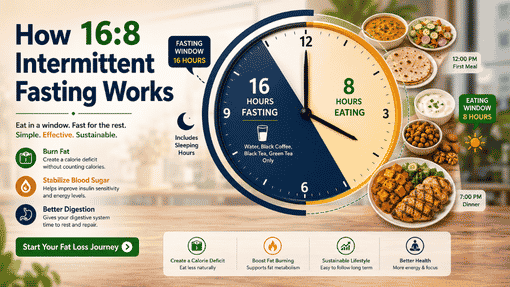
It works by making your eating window shorter, so you eat less food most of the time, and your body makes a gap between what you use and what you take in. You do not need to track food. The most common way is called 16:8. You fast for 16 hours, including the time you are asleep. Then, you eat during an 8-hour window, like from noon to 8 pm. With less time to eat, late-night eating and all-day snacking slow down for most people. For some, it helps to keep blood sugar and insulin steady. You still lose fat because you eat less food, not from counting numbers, but because of the timing.
An Indian Meal Plan for 16:8 Fasting
Fitting intermittent fasting with Indian food can be easy when you change your meal times.
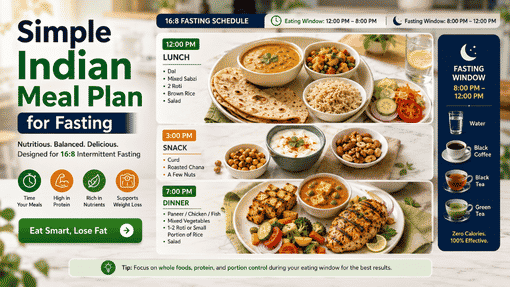
- 12 pm: open your fast by eating a meal with dal, some sabzi, roti or rice, and salad
- 3 pm: have a protein snack like curd, some roasted chana, or a few nuts
- 7 pm: eat dinner with paneer, chicken, or fish and some vegetables before your window closes
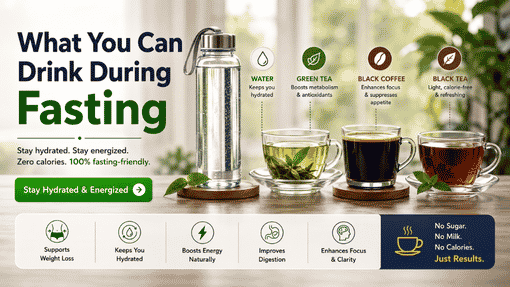
- 8 pm to 12 pm: drink only water, black tea, black coffee, or green tea
Who Should Avoid Intermittent Fasting
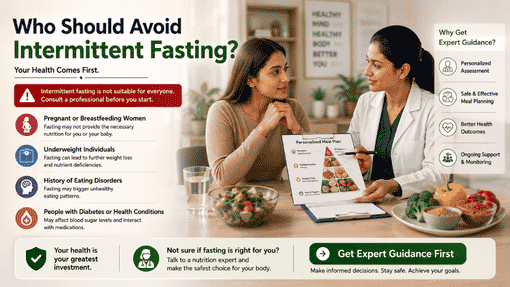
Fasting is not good for all people. It is not good for women who are pregnant or breastfeeding. Underweight people should not do it. Those who have a history of eating problems, or anyone with diabetes or other health problems should not do this unless a doctor says it is okay. Big gaps in food during fasting can change your blood sugar and the way your medicine works.
Myths to Ignore About Fasting
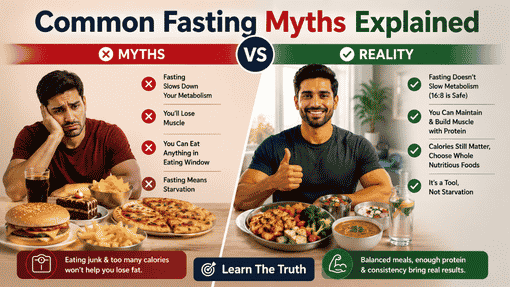
Fasting will not help you lose fat if you eat too much junk food during your eating time. The total calories you eat still matter to get the result you want. Fasting does not make your body go into starvation mode in just 16 hours. You can keep your muscle if you eat enough protein and train. It is just one tool you can use. It is not the only way to lose fat. If this plan fits your day and helps you feel full and stick with it, then it can be a good way to lose weight.
Make Fasting Work With a Plan
Intermittent fasting gives you better results when you eat balanced and protein-rich meals during your eating window. Many people have trouble with this part. If you want a plan that fits smart meal timing and the right foods and portions for your goal, a coach can create one just for your schedule. You can book a free strategy call with the options below. This can help you achieve real, lasting results from fasting.
Pick the schedule that works best for you. Keep the food you eat in your window balanced and full of protein. Stay with it. If you do it like this, the plan is an easy and steady way to cut your weekly calories. You do not have to track everything all the time.
FAQs
Q1. How does intermittent fasting cause weight loss?
By eating for a shorter time each day, you eat less food. This helps you take in fewer calories. A smaller amount of calories will lead to fat loss without needing to count each one.
Q2. What is the best fasting schedule for beginners?
The 16:8 method is where you do not eat for 16 hours. You then have 8 hours to eat. For example, you can eat from noon to 8 p.m. A lot of people start this way. It is also the easiest and most popular.
Q3. Can I drink anything while fasting?
Yes. You can have water, black tea, black coffee, or green tea. Just make sure you do not add sugar or milk. These drinks will not break your fast.
Q4. Will I lose muscle with intermittent fasting?
You will not lose muscle if you get enough protein and do strength training. Losing muscle happens when you do not eat enough food or protein, not because of the time you spend fasting.
Q5. Who should not try intermittent fasting?
Pregnant women or women who are breastfeeding, people who do not weigh much, those who have had an eating problem before, or anyone with diabetes or any health problem should not do this unless a doctor says it’s safe.
Ready to Start? Let’s Talk
- 📞 Call: +91-8544890999
- 💬 Instagram: https://www.instagram.com/trainedbyyvs/?hl=en
- 🌐 Website / Contact Form: TrainedByYVS.com