High Protein Indian Vegetarian Diet – Meal Plan
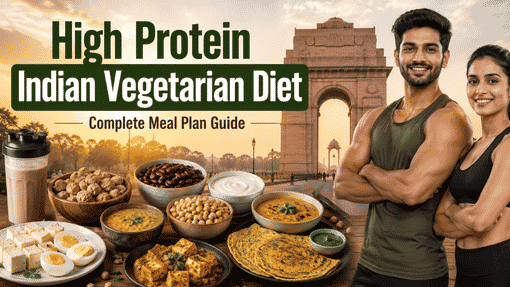
High Protein Indian Vegetarian Diet – A Full Day of Eating That Hits the Number
A high protein Indian vegetarian diet sounds like a contradiction to people raised on dal-roti-sabzi plates, yet it is entirely achievable with planning. Most Indian vegetarians eat far more carbohydrate than protein by default, which slows fat loss and muscle gain alike. Rearranging the same kitchen fixes it.
The Foods That Power a High Protein Indian Vegetarian Diet
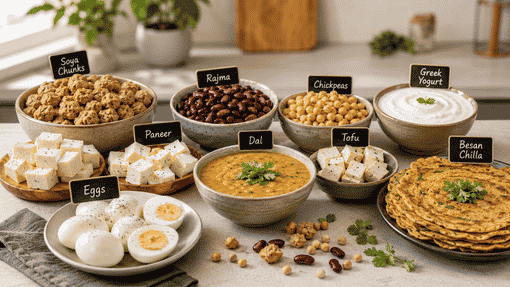
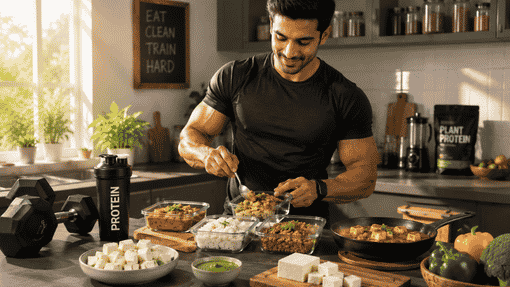
Your heavy hitters: dry soya chunks at roughly 50 g protein per 100 g, paneer at 18 to 20 g per 100 g, Greek yogurt at 10 to 17 g per 100 g, dal at 8 to 12 g per cooked cup, rajma and chana around 15 g per cup, tofu near 8 g per 100 g, and eggs at 6 g each for vegetarians who eat them. Besan dishes like chilla add more.
A Sample 120-Gram Protein Day
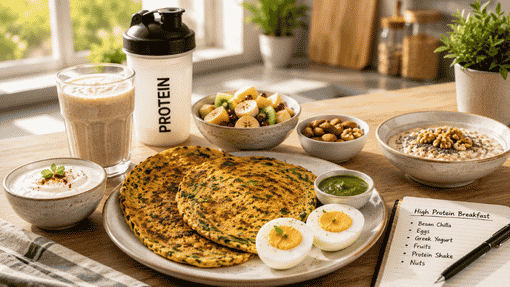
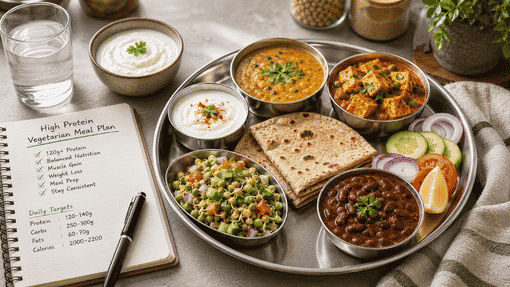
Breakfast: besan chilla with two eggs, about 30 g protein. Lunch: a generous rajma serving with one roti and Greek yogurt, about 35 g. Snack: lightly cooked soya chunks or a protein shake, about 25 g. Dinner: paneer sabzi with dal and one roti, about 30 g. Total: roughly 120 g for the day, from an entirely Indian vegetarian kitchen.
Closing Gaps With Supplements
If 120 to 140 g daily proves hard from food alone, one scoop of whey protein in water or milk adds about 25 g for minimal calories. It is a convenience, not a magic powder, and many people following a high protein Indian vegetarian diet use exactly this bridge on busy days.
Make the Plan Yours
The sample day above proves the concept; your version should fit your tastes, your schedule, and your training. On the free strategy call, the team adapts the high protein Indian vegetarian diet to your kitchen: your dal preferences, your paneer tolerance, your soya yes-or-no, and the right daily protein number for your body rather than a borrowed one. Vegetarian clients regularly hit 120-plus grams a day without a single unfamiliar food, and the difference shows up in fat loss speed and muscle retention within weeks. Contact the team through the call, WhatsApp, Maps, or form options listed below. Same kitchen, smarter arrangement, visibly different body within a quarter.
FAQ
Q1. Can a high protein Indian vegetarian diet build muscle?
Yes. Research consistently shows plant-forward proteins support muscle growth when daily totals are met.
Q2. Is eating paneer every day safe?
For most people, yes. Those watching saturated fat or cholesterol can choose low-fat paneer and vary their sources.
Q3. Do I have to eat soya chunks?
No. Paneer, dal, rajma, curd, and eggs can build the full plan without soya if you prefer.
Q4. Will high protein harm my kidneys?
Healthy kidneys handle these intakes fine; anyone with kidney disease should follow their doctor’s guidance.
Q5. How do I get protein at breakfast if I am not hungry?
A quick protein shake is the easiest answer, light on the stomach and ready in a minute.
Ready to Start? Let’s Talk
- 📞 Call: +91-8544890999
- 💬 Instagram: https://www.instagram.com/trainedbyyvs/?hl=en
- 🌐 Website / Contact Form: TrainedByYVS.com